
Understanding IVF and ICSI Treatment
IVF and ICSI are two important techniques used in assisted reproduction. Although they are often mentioned together, they are not exactly the same.
IVF (In Vitro Fertilization) involves sperm and egg are placed in one dish and the sperm swims and penetrates the egg and then the fertilization happens.
ICSI (Intracytoplasmic Sperm Injection) is a specialized fertilization technique used during an IVF cycle. An embryologist selects a single sperm and injects it directly into a mature egg. The choice between conventional IVF and ICSI depends on the couple’s fertility assessment, particularly sperm characteristics and previous fertilization history. ICSI is not automatically necessary for every IVF cycle.

A Brief History of IVF and ICSI
IVF is no longer an experimental idea. It has been part of reproductive medicine for almost five decades. On 25 July 1978, Louise Brown was born at Oldham General Hospital in England; the world’s first baby conceived through IVF. Her birth followed years of research by Robert Edwards,
Patrick Steptoe and Jean Purdy and marked a turning point in the treatment of infertility. ICSI came later. The first successful pregnancy using ICSI was reported in 1992 in Brussels, Belgium, following the work of Gianpiero Palermo and colleagues. The technique was developed particularly to overcome severe problems with sperm fertilization. These developments transformed reproductive medicine: IVF made fertilization outside the body
possible, while ICSI provided another way to achieve fertilization when sperm were unable to do so efficiently on their own.
What Is the Difference Between IVF and ICSI?
The main difference is how fertilization takes place in the laboratory. In conventional IVF, several prepared sperm are placed with an egg and allowed to fertilize it under controlled laboratory conditions. In ICSI, an embryologist uses a micromanipulation system to inject one selected sperm
directly into a mature egg. The stages before and after fertilization are broadly similar. Both treatments can involve ovarian stimulation, egg retrieval, embryo culture and embryo transfer. Therefore, ICSI is best understood as a specialized fertilization method used within IVF, rather than as a completely separate treatment.
What Is the Difference Between IVF and ICSI?
The main difference is how fertilization takes place in the laboratory. In conventional IVF, several prepared sperm are placed with an egg and allowed to fertilize it under controlled laboratory conditions. In ICSI, an embryologist uses a micromanipulation system to inject one selected sperm directly into a mature egg. The stages before and after fertilization are broadly similar. Both treatments can involve ovarian stimulation, egg retrieval, embryo culture and embryo transfer. Therefore, ICSI is best understood as a specialized fertilization method used within IVF, rather than as a completely separate treatment.
When May ICSI Be Recommended?
ICSI is particularly useful when there is a significant male-factor fertility problem or a previous fertilization problem. It may be considered when there is:
● Very low sperm concentration
● Poor sperm motility
● Significant abnormalities in sperm morphology
● Previous failure or very low fertilization with conventional IVF
● Sperm obtained through surgical sperm retrieval
● Certain situations where only a small number of sperm are available
Sperm may sometimes need to be retrieved directly from the epididymis or testicle through procedures such as PESA, TESA or TESE and then used for ICSI. However, more advanced does not always mean better. For patients without a clear indication for ICSI, routine use has not been shown to provide a universal benefit over conventional IVF. Current ASRM guidance does not recommend routine ICSI for non-male-factor infertility.
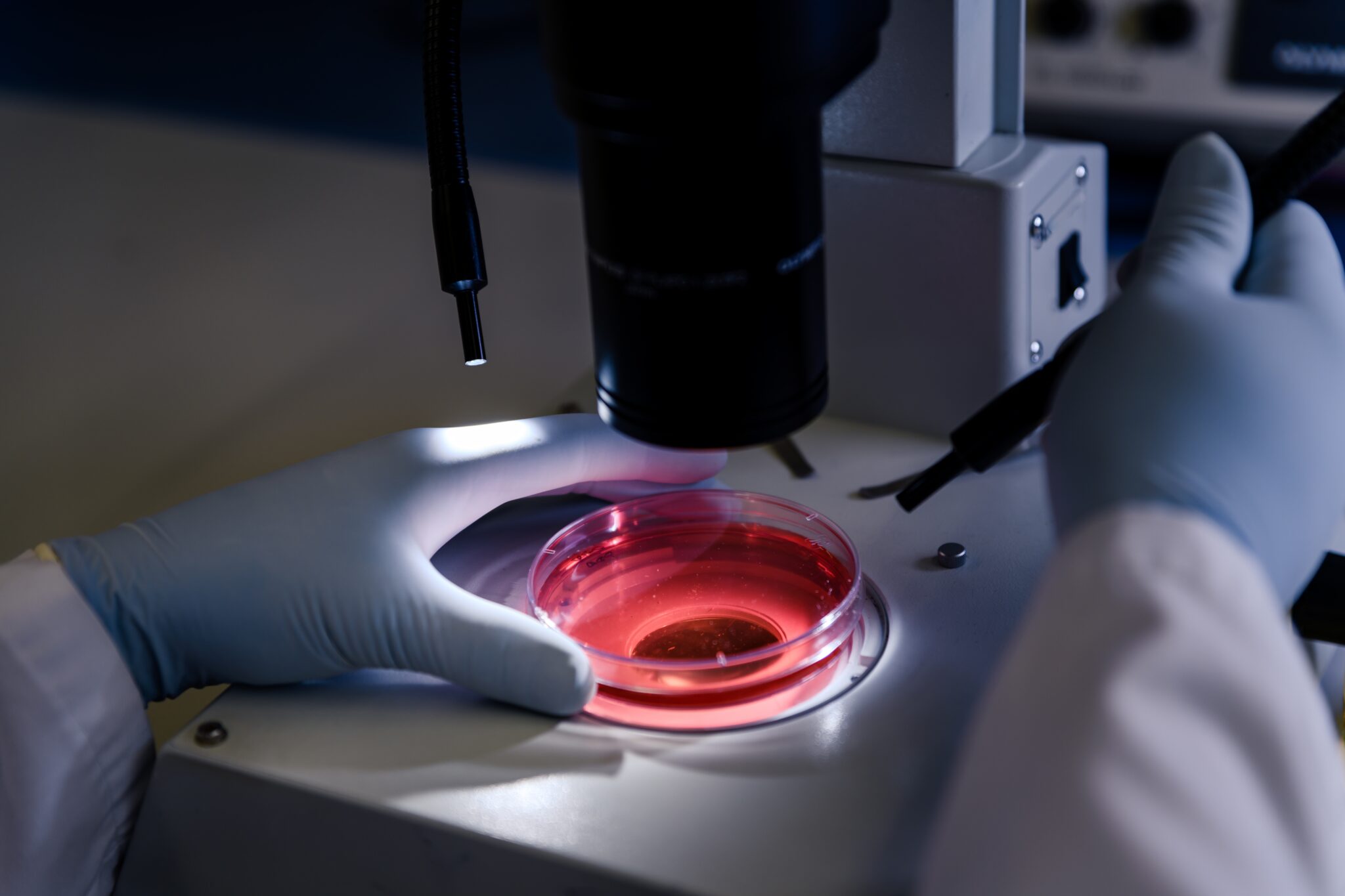
When May ICSI Be Recommended?
ICSI is particularly useful when there is a significant male-factor fertility problem or a previous fertilization problem. It may be considered when there is:
● Very low sperm concentration
● Poor sperm motility
● Significant abnormalities in sperm morphology
● Previous failure or very low fertilization with conventional IVF
● Sperm obtained through surgical sperm retrieval
● Certain situations where only a small number of sperm are available
Sperm may sometimes need to be retrieved directly from the epididymis or testicle through procedures such as PESA, TESA or TESE and then used for ICSI. However, more advanced does not always mean better. For patients without a clear indication for ICSI, routine use has not been shown to provide a universal benefit over conventional IVF. Current ASRM guidance does not recommend routine ICSI for non-male-factor infertility.
After ovarian stimulation, mature eggs are collected through an egg retrieval procedure. The embryologist then:
Identifies mature eggs.
Prepares the available sperm.
Selects an individual sperm.
Inject the sperm directly into a mature egg.
Check the eggs for evidence of fertilization
Cultures the resulting embryos.
Transfers a suitable embryo or freezes suitable embryos for future treatment
The procedure is performed in the embryology laboratory using specialized equipment. The woman does not feel the sperm injection itself.
How Does ICSI Work?
After ovarian stimulation, mature eggs are collected through an egg retrieval procedure. The embryologist then:
Identifies mature eggs.
Prepares the available sperm.
Selects an individual sperm.
Inject the sperm directly into a mature egg.
Check the eggs for evidence of fertilization
Cultures the resulting embryos.
Transfers a suitable embryo or freezes suitable embryos for future treatment
The procedure is performed in the embryology laboratory using specialized equipment. The woman does not feel the sperm injection itself.
Does ICSI Increase the Chance of Pregnancy?
Successful pregnancy also depends on factors such as:
● Egg quality
● Sperm quality
● Embryo development
● Maternal age
● Uterine and endometrial factors
● Underlying medical conditions Therefore, ICSI should not be described as a guarantee of pregnancy or as universally more successful than conventional IVF.
The right question is not “Is ICSI better than IVF?”
It is: “Is ICSI appropriate for this particular couple?”
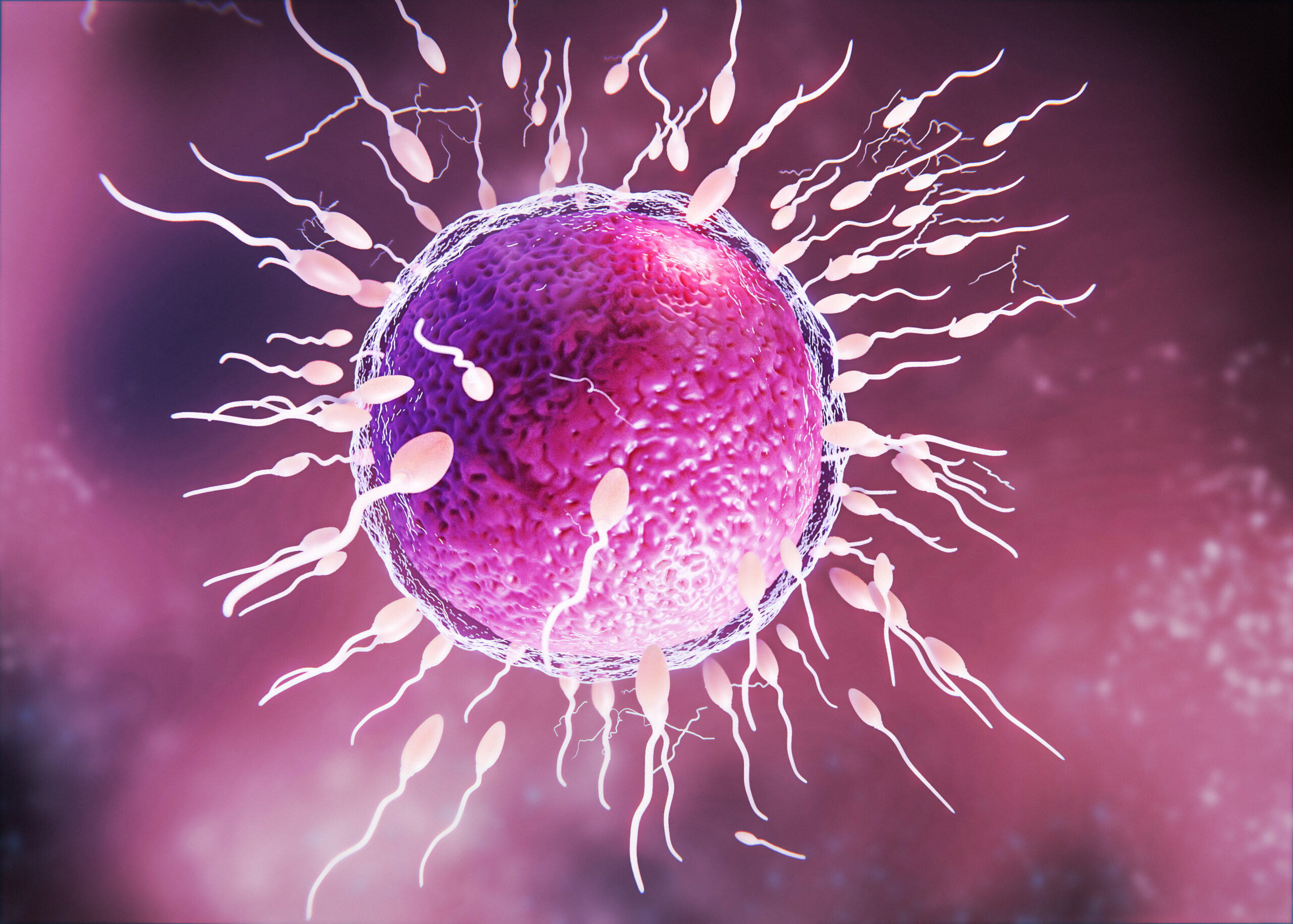
Does ICSI Increase the Chance of Pregnancy?
Successful pregnancy also depends on factors such as:
● Egg quality
● Sperm quality
● Embryo development
● Maternal age
● Uterine and endometrial factors
● Underlying medical conditions Therefore, ICSI should not be described as a guarantee of pregnancy or as universally more successful than conventional IVF.
The right question is not “Is ICSI better than IVF?”
It is: “Is ICSI appropriate for this particular couple?”
IVF or ICSI: Which One Is Right for You?
For a couple with good sperm parameters and no previous fertilization problem, conventional IVF may be sufficient. When there is severe male-factor infertility, very limited sperm availability, surgically retrieved sperm or previous poor fertilization, ICSI may be a more appropriate approach. At Rawal Fertility, the treatment decision should be based on the fertility evaluation and previous treatment history rather than using ICSI routinely for every IVF cycle.
IVF and ICSI at Rawal Fertility
At Rawal Fertility & Women’s Health Centre in Indore, fertility treatment includes IVF, ICSI, embryo culture, embryo transfer, embryo freezing and other assisted reproductive services. The fertility team evaluates both partners and considers factors such as age, ovarian reserve, semen parameters, previous fertility treatment and the underlying cause of infertility before recommending an appropriate treatment approach. Where male-factor infertility is significant, additional evaluation and procedures such as surgical
sperm retrieval may also be considered. The goal is not simply to offer the most technologically advanced procedure, but to select the
treatment that makes medical sense for the individual couple.
Frequently Asked Questions
No. ICSI is not required for every IVF cycle. Conventional IVF may be appropriate when there is no significant male-factor or previous fertilization problem.
Yes. ICSI can be particularly useful when very few viable sperm are available. In selected cases, sperm may also be retrieved surgically and used for ICSI.
Louise Brown, the first baby conceived through IVF, was born on 25 July 1978 at Oldham General Hospital in England.
The first successful pregnancy using ICSI was reported in 1992 in Brussels, Belgium.
Making an Informed Choice
The main difference is how fertilization takes place in IVF and ICSI have changed the possibilities available to couples facing infertility. At the same
time, modern fertility care should be based on evidence rather than the assumption that every newer or more sophisticated technique is automatically better. If you are considering IVF or have been advised to undergo ICSI, discuss why the procedure has been recommended, what alternatives are available, the expected benefits, possible risks and whether genetic counselling is appropriate in your particular situation.
At Rawal Fertility, your fertility specialist can review your individual circumstances and help you choose an appropriate treatment pathway.the laboratory. In conventional IVF, several prepared sperm are placed with an egg and allowed to fertilize it under controlled laboratory conditions. In ICSI, an embryologist uses a micromanipulation system to inject one selected sperm directly into a mature egg. The stages before and after fertilization are broadly similar. Both treatments can involve ovarian stimulation, egg retrieval, embryo culture and embryo transfer. Therefore, ICSI is best understood as a specialized fertilization method used within IVF, rather than as a completely separate treatment.
Making an Informed Choice
The main difference is how fertilization takes place in IVF and ICSI have changed the possibilities available to couples facing infertility. At the same time, modern fertility care should be based on evidence rather than the assumption that every newer or more sophisticated technique is automatically better. If you are considering IVF or have been advised to undergo ICSI, discuss why the procedure has been recommended, what alternatives are available, the expected benefits, possible risks and whether genetic counselling is appropriate in your particular situation.
At Rawal Fertility, your fertility specialist can review your individual circumstances and help you choose an appropriate treatment pathway.the laboratory. In conventional IVF, several prepared sperm are placed with an egg and allowed to fertilize it under controlled laboratory conditions. In ICSI, an embryologist uses a micromanipulation system to inject one selected sperm directly into a mature egg. The stages before and after fertilization are broadly similar. Both treatments can involve ovarian stimulation, egg retrieval, embryo culture and embryo transfer. Therefore, ICSI is best understood as a specialized fertilization method used within IVF, rather than as a completely separate treatment.